
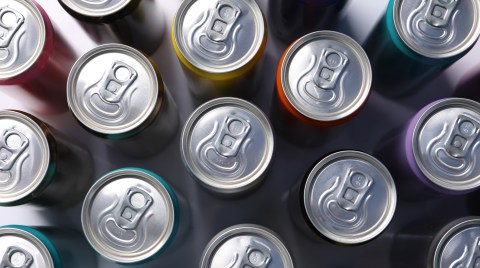
Over the past two decades, energy drinks have gone from a niche curiosity—popularized in the 1990s by brands like Red Bull and Monster—to become one of the fastest-growing beverage consumption segments in the world.
Driven by marketing campaigns aimed at young people, athletes and professionals under pressure, these drinks have penetrated supermarkets, gyms, university campuses and offices in almost every corner of the planet.
However, its massification has brought with it an intense scientific, regulatory and cultural debate: what is true in its promises of energy and performance? What are the real risks of its consumption?
Phenomenon that does not stop growing
Every year, millions of cans of energy drinks are consumed before exams, night shifts, training and long work days. What began as a marginal subcategory has transformed into a cultural and economic phenomenon of the first magnitude. Red Bull, Monster, Celsius, Ghost and dozens of emerging brands compete on shelves that did not exist twenty years ago.
The driving force behind this growth is multifactorial: the accelerated pace of life, the culture of performance, aspirational marketing and, in recent years, the reconfiguration of the image of these drinks as allies of sport and productivity. The new generations do not see them as an excess, but as a tool.
Ingredients under the magnifying glass
The indispensable and most studied component of these drinks is caffeine. A standard 250 ml can contains around 80 milligrams, similar to an espresso. However, large formats – 473 ml or more – double that amount, and some niche drinks exceed 300 mg per container.
Along with caffeine, most of these drinks include taurinea non-essential amino acid naturally present in meats and fish; B vitaminswith special emphasis on B3, B6 and B12; guaranaan additional source of plant-based caffeine; and sugar or artificial sweeteners in “sugar free” versions.
The combination of these ingredients has generated both commercial enthusiasm and scientific caution. Peer-reviewed medical literature suggests that, although each component separately has known effects, their interaction at high doses and in vulnerable populations has not been sufficiently studied.
In recent days, the case of the high school student in Texas who allegedly died due to compulsive consumption of energy drinks caused consternation and alarm.
Myths and realities: what science says
Myth 1: “Energy drinks give you proper energy”. What they produce is stimulation of the central nervous system, mainly due to caffeine, which blocks adenosine receptors – the molecule responsible for the feeling of drowsiness. They do not provide proper metabolic energy; They simply delay the perception of fatigue. When caffeine is metabolized, exhaustion returns with greater intensity, a phenomenon known as the submit-stimulation “wreck.”
Reality 1: They can improve cognitive performance in the short term. Several studies, including a review published in the British Journal of Weight-reduction planconfirm that moderate doses of caffeine (between 75 and 150 mg) improve sustained attention, reaction time and working memory for 1 to 3 hours. This effect is normal, although transient and dependent on the individual’s tolerance.
Myth 2: “They are a good option for sports”. Most energy drinks are not designed for sports hydration. On the contrary: caffeine has mild diuretic effects and sugar in large quantities can cause gastrointestinal upset during intense exercise. Isotonic drinks, designed to replenish electrolytes, are a different category with different purposes.
Reality 2: Cardiac risks exist, but they are dose-dependent. Reports of hospital emergencies linked to these drinks have increased in the last decade, although most serious cases involve excessive consumption, combination with alcohol or undiagnosed cardiovascular predisposition. The European Food Safety Authority (EFSA) sets the safe caffeine threshold for healthy adults at 400 mg daily; Above that figure, the risks of arrhythmia, hypertension and anxiety rise significantly.
Myth 3: “Taurine and B vitamins make them healthy”. The taurine present in these drinks (usually 1,000 mg per can) has not in itself demonstrated proven benefits in people who already have normal levels of the amino acid. As for B vitamins, ingesting them in excess does not create the energizing effects that marketing suggests: the body simply excretes the excess.
Reality 3: They are especially risky in minors and in combination with alcohol. The World Health Organization (WHO) has explicitly warned against the consumption of energy drinks by those under 18 years of age, pregnant women, and people with cardiovascular or anxiety disorders. Mixing it with alcohol—a widespread practice in nighttime environments under names such as “vodka-energy”—masks the effects of alcohol, reducing the perception of intoxication and promoting excessive consumption.
An industry that adapts
Far from ignoring regulatory and scientific pressure, large manufacturers have diversified their offering towards versions with less caffeine, no sugar and with functional ingredients such as adaptogens (ashwagandha, rhodiola) or electrolytes. This evolution responds to both the demand of a more informed consumer and the need to capture new market segments, including seniors and wellness enthusiasts.
Brands like Celsius or PRIME have built their identity on a narrative of health and performance that challenges the “extreme” image of the long-established category.
Informed consumption as the only compass
Energy drinks are neither the elixir that their advertisements promise nor the poison that some detractors proclaim. They are products with real, dose-dependent effects that can be consumed with low risk by healthy adults in moderate quantities—and that represent a genuine problem for certain vulnerable populations and in certain contexts of use.
The key is not to prohibit or normalize without nuances, but to build a culture of informed consumption: assume labels, know your own tolerance limits for caffeine, do not mix it with alcohol and be especially careful in young people. The wave will continue to grow; What will change will be the way in which each one resolves to surf it.
You may also be interested in:
· The Rise of Animal Skin Care Products: Beef Tallow and Salmon Sperm
· The dangers of looksmaxxing: well-liked influencer suffers an alleged “overdose” during live broadcast
· The danger of promoting steroid use and extreme body transformations on social networks


