
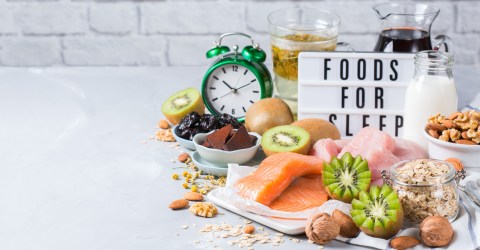
Nutrients like tryptophan, magnesium, and melatonin are crucial for normalizing the body’s sleep-wake cycle. Nutrition experts highlight that these compounds help promote relaxation and improve sleep quality.
This is what Kelly Springer, a Skaneateles nutrition expert, interviewed by Fox News Digital.
“You may have already heard that certain foods can help you sleep better,” she said. “This fact is supported by science,” he emphasizes.
On the other hand, Amy Davis, a dietitian in New Orleans, notes that foods rich in “melatonin, serotonin, magnesium, omega-3 fatty acids, and specific amino acids like tryptophan” can help promote relaxation and better sleep overall.
Foods that improve sleep quality
Fox compiles, through data endorsed by experts, five foods that you can consider incorporating into your nighttime routine to improve the quality of sleep.
sour cherries. This fruit is a pure source of melatonin, which can help improve insomnia and sleep quality.
Turkey. Rich in tryptophan, turkey contributes to the production of serotonin and melatonin, thus promoting drowsiness after meals.
Salmon. This fatty fish provides vitamin D and omega-3 fatty acids, nutrients that may be related to better quality sleep.
Milk products. Milk and yogurt contain tryptophan, calcium and magnesium, elements associated with melatonin production and relaxation.
Nuts and seeds. Almonds and walnuts are rich in magnesium and tryptophan, helping to normalize sleep and reduce muscle tension.
Although there are no miracle foods to solve sleep problems, including these nutrients in a balanced diet can help promote natural processes that promote better rest.
Complementary nutritional strategies
In addition to consuming foods rich in tryptophan, magnesium and melatonin (such as kiwi, oats, almonds, banana or fatty fish), you can complement your diet with the following nutritional strategies to improve sleep:
Dinner Timing and Portions
- light dinner. Avoid copious or very fatty meals that delay digestion.
- 2 hour window. Eat dinner at least 2 hours before going to bed so that the body can start digestion.
- Moderate portions. Consume relaxing foods about 1 hour before going to sleep, without exceeding the portion.
Avoid stimulants in the afternoon/night
- Caffeine: Avoid coffee, black tea, caffeinated soft drinks after midday.
- Alcohol: Cut your consumption, as it alters the deep phases of sleep.
Include relaxing infusions
- chamomile tea: A cup ~1 hour before bed helps normalize the sleep-wake cycle and reduce anxiety.
- Melissa or valerian: natural alternatives to calm the nervous system.
Combine complex carbohydrates with protein
- Oatmeal, brown rice, rye bread: Complex carbohydrates facilitate the entry of tryptophan into the brain.
Example: oatmeal with milk/dairy, whole wheat toast with almonds.
Balanced hydration
- Drink enough water during the day.
- Decrease fluids just before going to bed to avoid nighttime awakenings.
You may also be interested in:
· New research shows that the consumption of dairy products and calcium can prevent metabolic syndrome
· Sleep quality not only depends on whether you sleep more than eight hours
· Sleeping apps: benefits and hidden risks


