
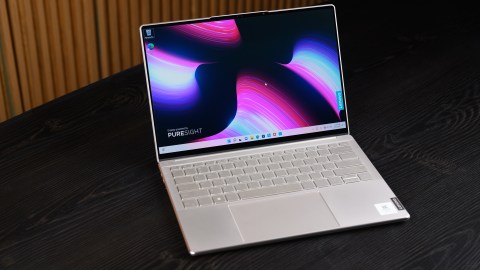
When Windows takes too long to bootmany times the culprit is not the system itself, but the number of apps that load automatically when you turn on the computer. The higher the number of programs that start with Windows, the slower the startup process will be.because the system has to distribute memory, processor and disk among more tasks from the first second.
Why startup becomes slower
Every app that opens together with Windows adds extra load to boot. That means that the computer must not only load the operating system, but also launch services, background processes and utilities that, many times, you don’t even need at that moment. In practice, this is noticeable as a longer wait before you can use the PC fluently.
There are programs that make sense at the beginning, such as security tools or sound drivers, but others are pure burden. Applications such as messaging clients, game launchers, cloud synchronizers or productivity suites They usually start even if you are not going to use them immediately. That is where it is convenient to put order.
How to control startup apps
Windows already includes several ways to manage this without installing anything extra. The easiest is to go to Settings > Applications > Home and review the list of programs that are allowed to start automatically. From there you can activate or deactivate each app with a switch, depending on what you really need.
Another useful route is to open the Task Manager with Ctrl + Shift + Esc and enter the start applications tab. There Windows shows which apps are enabled and also lets you disable them with a right click. If you want a more complete review, tools like Autoruns allow you to see even startup entries that don’t always appear in the basic system view.
The important thing is not to deactivate everything on impulse. Some applications do fulfill a useful function from the start, but many others only consume resources from minute one. The rule of thumb is easy: if you don’t use it as soon as you turn on the PC, it probably doesn’t need to boot up on its own.
What should be left and what should not?
A sensible way to decide is separate the essential from the dispensable. Keep apps linked to security, audio or specific hardware active if you really need them from the start. Instead, disables services such as messaging, game stores, players of music, secondary synchronizers or utilities that you only open from time to time.
It is also worth checking from time to time, because many apps are activated again after an update or after installing other programs. That’s a pretty common detail and explains why a computer that used to boot up fast can start to get slow without the user having changed anything important.
A small adjustment that is very noticeable
This is one of those simple changes that usually gives a visible improvement without touching weird settings. It doesn’t turn an old PC into a new machine, but it can shave several seconds off startup and leave you with a cleaner desktop from the start. Additionally, it reduces noise from background processes and helps your computer respond better right after you turn it on.
The background idea is easy to remember: fewer apps at startup, less work for Windows when booting. If the system doesn’t have to load half a dozen programs you don’t use, startup becomes smoother and the entire experience improves. In a time when everything wants to open itself, reviewing that home list is almost a small act of digital hygiene.
Keep reading:
• RAM or storage: what should you spend your money on when buying a PC?
• Framework Notebook computer 13 Pro: the modular PC that wants to dethrone the top class with 20 hours of battery
• Are you going to buy a Windows PC? This is what those weird numbers on processors mean


