

By Alberto Daniel Barboza
Home methods to detect a gas leak They are essential at home and can make the difference between a scare and a high-risk situation. Although specialized equipment exists, These quick tricks are used to identify problems in pipes or connections.
Domestic gasoline, such as pure or LP, generally has no odor in its usual state. However, Companies add a substance called mercaptan, which gives it that characteristic smell similar to sulfur or rotten eggs..
When you can barely smell that smell, rest assured there is a leak.. If you have any doubts or insecurity, it is best to call the experts immediately.
Read also: 5 devices that you should never leave connected, even if they are turned off
The soap trick to detect a gas leak
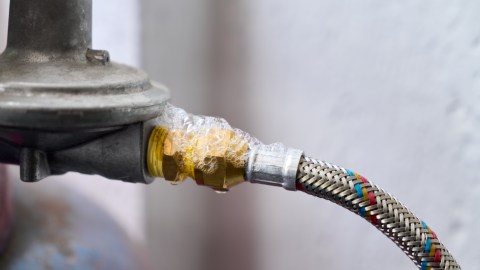
This method is highly effective and specialists often recommend it as a quick preventive measure. It consists of mix water with liquid soap or detergent and apply it to connections, valves or hoses where there could be a leak.
To do it correctly:
- Mix water with soap until you create a foamy solution.
- Apply with a sponge, brush or sprayer to the gas joints.
- Look carefully for a few seconds
If bubbles appear that grow or remain, it is a clear sign that there is a leak.. This method works because the escaping gasoline generates pressure in the mixture and forms visible bubbles.
It is also convenient when the smell is not noticeable enough and there is no leaking sound either. Its objective is to verify that the hoses and connections are installed correctly..
What to do if you detect a leak
If a gas leak is suspected or confirmed, the reaction must be immediate. The first thing is to avoid any action that could generate a spark..
Follow these VITAL steps:
- Do not turn on lights or electrical appliances
- Avoid using matches or lighters
- Turn off the gas valve if it is safe to do so.
- Open doors and windows to ventilate the space
- Leave the area and contact emergency services or the gas company
It is classic to make the call from abroad to avoid risks.
Beyond reacting in time, the best strategy is prevention. Periodically checking facilities, changing damaged hoses and ensuring equipment is in good condition can significantly reduce the risk of a gas leak.
You may be interested in:
· The homemade cleaner that everyone is using: what it is for and how to prepare it
· What to do with a broken hose: 2 homemade tricks to reuse it
· 3 objects that you always forget to clean and are dirtier than the toilet


