
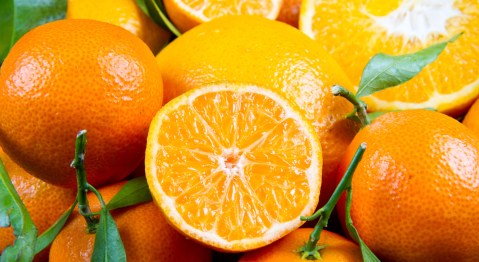
A recent study evaluated the impact of daily consumption of “Navelina” oranges over a four-week period on the serum lipid profile of patients with alcohol-related liver disease (MASLD).
This clinical trial, published in the journal Nutrientsinvolved 60 participants and presents intriguing findings on lipid metabolism.
MASLD, previously known as non-alcoholic fatty liver disease, is linked to conditions such as obesity and type 2 diabetes. Diet and lifestyle changes are essential in its treatment. This study investigates how the consumption of oranges can affect lipid metabolism, contributing to the discussion on dietary interventions.
Study design and methodology
The participants, aged between 30 and 65 years and with a body mass index greater than 25, were randomly assigned to two groups: one that consumed 400 g of “Navelina” oranges daily and another that abstained.
Blood tests were performed to evaluate changes in lipid profiles and treatment adherence questionnaires were carried out.
Lipidomics is an omics-based approach dedicated to the comprehensive characterization of lipid profiles in biological samples, including plasma, serum, urine and tissue samples, the report notes.
This technology allows the separation, identification and quantification of hundreds of lipid species within a single biological sample.
Results and findings
The results of the study show modest changes in the lipid profile of the participants who consumed the oranges, although these did not reach statistical significance. Trends were observed toward a reduction in total cholesterol and an increase in HDL.
Despite the lack of definitive conclusions, the findings suggest interesting potential that could justify future research in the area of nutrition and lipid metabolism.
Other measures to improve the lipid profile
In addition to consuming oranges, which provide soluble fiber such as pectin to help reduce LDL cholesterol, there are several effective measures to improve the lipid profile. These include changes in diet, lifestyle habits and, in some cases, supplements or medications under medical supervision.
Dietary changes. Reduce saturated and trans fats from processed meats, full-fat dairy, and fried foods, replacing them with healthy fats like olive oil, avocado, and nuts. Increase your intake of soluble fiber in oats, legumes, beans, and more fruits/vegetables, along with omega-3 fatty acids from fatty fish (salmon, sardines), flax seeds, and walnuts, which lower triglycerides and raise HDL. Avoid refined sugars, processed carbohydrates and excess alcohol, as they raise triglycerides.
Physical activity. Get at least 150 minutes weekly of moderate aerobic exercise (brisk walking, swimming) or 75 minutes of vigorous activity, which increases “good” HDL and cuts abet LDL and triglycerides.
Preserve watch over weight and habits. Maintain a healthy weight by losing even a few pounds through controlled portions and sugar-free drinks; this improves all lipid parameters. Limit alcohol and smoke less or quit to boost HDL.
Additional options. Include foods fortified with plant sterols/stanols (2 g/day in margarines or juices) to block cholesterol absorption, or consider whey protein. See a doctor for monitoring and, if necessary, statins.
Keep reading:
· Fruits that can disturb your sleep: what you should not eat before going to sleep
· Fruits that collaborate in the task of making you happy
· Spinach is a superfood, but it cannot be consumed by everyone: why is it contraindicated in special cases?


