
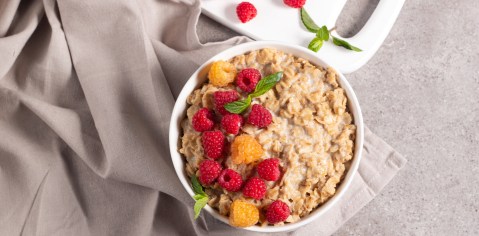
Oats are recognized for their richness in fiber, which contributes to greater satiety and improves digestion. Its low glycemic index helps stabilize blood sugar levels, promoting weight regulation.
In this sense, Dr. Conchita Vidales, head of the Nutrigenetics Unit at DEMYA Madrid, highlighted in elle oatmeal as a good option for dinner, since it is a slow-absorbing carbohydrate. It recognizes that it can help avoid snacking and suggests combining it with proteins or fruits to maximize its nutritional benefits.
“In general, I don’t usually recommend cereals or carbohydrates at night. In the case of oats, in small quantities,” he says.
“Oatmeal is ideally suited if we want to have a light dinner, but something that replenishes and satisfies us, although always combined with proteins, vegetables or fruits. It can be good for not making us snack or eat other more caloric foods. In addition, it is an easily digestible cereal, so it will help us sleep better,” adds the expert.
Ways to include oats
Vidales recommends that oats can be prepared in recipes that incorporate them in creative ways, such as omelettes or crepes. It is also recommended to mix it with yogurt or kefir, which complements its prebiotic effects.
In the morning or at night? The choice of eating oats for breakfast or dinner depends on individual goals. For energy and satiety during the day, it is recommended in the morning; while for a light and digestive dinner, it is ideally suited in the evening.
Properties of oats
Oats are considered an excellent source of vegetable protein. It contains between 11.7 g and 17 g of protein per 100 g, positioning itself as one of the cereals with the highest protein content. Although it is incomplete, it is rich in essential amino acids and superior to other grains.
It provides fiber, proteins, B vitamins and minerals such as iron and manganese. Its most notable properties are that it helps improve digestion, increases satiety, can help reduce LDL cholesterol and helps better control blood sugar.
Basic composition.
- Oats mainly provide relatively slowly absorbed carbohydrates, along with soluble fiber (especially beta-glucans), better quality proteins than many other cereals and some healthy fats, especially unsaturated fats.
- It also contains B vitamins, vitamins E and minerals such as iron, magnesium, zinc, phosphorus, potassium and manganese.
Digestive properties
- The high content of soluble fiber reduces the speed of sugar absorption, helps regulate intestinal transit and prevents constipation.
- By forming a gel upon contact with water, it causes prolonged satiety and can support weight control when eaten in adequate portions.
Cardiovascular and metabolic health
- The beta-glucans in oats help reduce LDL (“bad”) cholesterol and, along with their antioxidants, promote heart health.
- Its moderate glycemic index contributes to better blood glucose regulation, which makes it useful in diets for people with insulin resistance or well-controlled type 2 diabetes.
Antioxidants and skin
- Oats contain unique phytochemicals, such as ventasanthramides, with antioxidant and anti-inflammatory action several times more powerful than other common polyphenols.
- These properties are also used in topical products: they help soothe irritations, dryness and some skin conditions such as dermatitis or eczema.
Creative recipes with oats
Oats are very versatile and, used with fruits, vegetables, lean proteins and healthy fats, can help you maintain a balanced diet dense in fiber, complex carbohydrates and some micronutrients. Below you have creative and simple recipes for different meals.
Breakfast: “Protein” oatmeal bowl
- Cook ½ cup of rolled oats in water or unsweetened non-dairy milk; When it thickens, add 1 teaspoon of almond or nut butter and 1 cooked egg on top (scrambled or fried).
- Complete with 1 handful of red berries and a pinch of cinnamon; This way you balance carbohydrates, protein and healthy fats, ideally suited for satiety and prolonged energy.
Snack: Oatmeal and fruit energy bars
- Crush 1 cup of oats, 1 ripe banana, 2 tablespoons of homemade peanut butter and optionally chia or flax seeds; Mix and compact in a low mold.
- Refrigerate 1-2 hours and cut into bars; This way you have a snack with fiber, vegetable protein and healthy fats, useful for controlling hunger between meals.
Lunch: Crepes or savory oatmeal pizza
- Prepare an oatmeal crepe (ground oats) with egg white, chopped spinach and a little low-fat cheese, filling with vegetables and pureed chicken or tuna.
- Or, make a “pizza” sinful with oats (cooked flakes, onion, egg and parsley), add light tomato sauce and fresh cheese; This way you include whole grains and vegetables in a predominantly balanced meal.
Dinner: Burgers or oatmeal and legume meatballs
- Mix chopped cooked lentils or beans with oats, onion, carrot, spices and an egg or a little chickpea flour to bind; Form into burgers and bake or brown in a non-stick pan.
- Serve them with a green salad and a small portion of avocado or seeds; This dish combines fiber, vegetable protein and healthy fats, perfect for a light but filling dinner.
Sweet snack: Oatmeal and banana cookies or muffins
- Crush 2 bananas, 1 cup of oats, 1 egg and optionally 1 tablespoon of cocoa powder or peanuts; make small balls and bake until firm.
- These cookies are low in added sugar and provide fiber, complex carbohydrates and some protein, ideal as a functional snack or dessert if you control the portion size.
You may also be interested in:
· The risks of energy drinks: the case of the cheerleader’s death is not unique
· Daily consumption of orange can modify the lipid profile of patients with fatty liver
· Identify the foods that cause inflammation


