

By Franklin Delgado
Meat and eggs are the best-known and preferred proteins by people within traditional nutritional consumption, but that is not the only one. On the contrary, there are other sources of very good quality proteins.
In this sense, epidemiologist Tim Spector, professor at King’s College London, highlights the need to diversify protein intake. Instead of focusing solely on common foods like meat and eggs, he suggests exploring less conventional but equally effective options. The Confidential.
“The majority focuses on the eggs and the meat when you think about protein, but there are many other sources of good quality protein,” he notes.
Plant proteins and microbiota
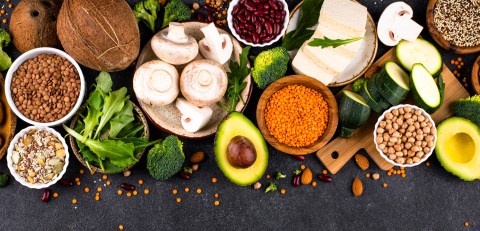
Plant protein sources, such as beans and legumes, play a very valuable role in providing fiber. This fiber is better for maintaining the intestinal microbiota, promoting balance and digestive health.
Among the alternatives, the epidemiologist mentions, in addition to beans and legumesto the mushrooms and whole grains like quinoa wave pearl barley.
Spector points out that a significant percentage of the population, approximately 90%, is deficient in fiber. This deficiency can have negative repercussions on digestive well-being and overall health.
Strategies to improve diet
The expert suggests not eliminating foods from the diet, but rather expanding the variety.
Incorporating whole grain products, such as quinoa and pearl barley, not only enriches the diet with quality protein, but also contributes essential nutrients such as fiber.
Risks associated with high animal protein intake
A diet high in animal protein may be safe in the short term for healthy people, but it is associated with several risks — especially if consumption is high, is mostly red or processed meat, or there are pre-existing conditions such as kidney disease, hypertension or diabetes.
Main risks:
- Cardiovascular health. High consumption of red and processed meats has been linked to increased LDL (“bad” cholesterol), inflammation and other markers that increase the risk of heart disease.
- Mortality and cancer (observational evidence). Some observational studies found a higher risk of death from cancer and from any cause in middle-aged adults with high consumption of animal proteins, although results vary depending on age and context.
- Kidney function. In people with existing kidney disease, high protein intake can worsen kidney function; In healthy individuals, the long-term effect is not completely clear, but caution and monitoring is recommended if intake is very high.
- Bone health and stones. High protein loads increase urinary calcium excretion in some studies, which could affect bone health and promote kidney stones in susceptible people.
- Effects due to protein quality. Animal proteins can provide saturated fats, cholesterol and compounds such as TMAO (linked to cardiovascular risk), while plant-based proteins usually provide fiber and beneficial phytonutrients.
- Side effects and deficiencies due to restrictive patterns. Diets very high in protein that reduce carbohydrates can cause constipation, bad breath and lack of fiber and certain micronutrients if not planned well.
Who should be more careful:
- People with kidney disease, liver disease, hypertension or diabetes.
- Middle-aged adults consuming more than ~20% of calories from animal protein according to some observational studies.
- Athletes or supplement users taking very high doses (>2.5 g/kg in some reports) without supervision.
Practical recommendations:
- Prefer lean, unprocessed sources: chicken, fish, legumes and lean cuts instead of processed meats.
- Increase plant protein and fiber (legumes, nuts, soy) to improve cardiometabolic profile.
- Maintain adequate intakes according to age, sex and activity: the typical recommendation for healthy adults is usually 0.8–1.0 g/kg/day, with greater needs in the elderly and athletes; Much larger quantities require supervision.
- Control saturated fats and electrolytes; Do periodic tests (lipid profile, kidney function) if you eat a high-protein diet for a long time.
- Consult a health professional or nutritionist before drastically changing your protein intake, especially if you have chronic conditions.
You may also be interested in:
· Turmeric, cinnamon, oregano and black pepper: common spices and their impact on health
· Lentils with vitamin C: a nutritious and effective combination
· Doctor Loses 70 Pounds of Weight on Carnivore Diet: “Americans Have Been Misled About Nutrition,” He Says


