
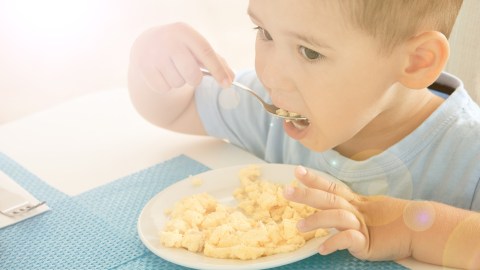
Recent research suggests that introducing eggs into the diet of babies starting at six months can significantly reduce the prevalence of allergies. Previously, it was recommended to avoid allergenic foods, but new evidence indicates that early exposure is more effective.
A study of JAMA Pediatrics revealed that egg allergy decreased by more than 17% among children after the guideline change. This study, carried out in Australia, involved more than 7,000 babies and recorded an increase in the proportion of infants who were introduced to the egg before six months, rising from 25% to 57% between 2011 and 2019.
Among the key findings were: 1) The prevalence of egg allergy decreased from 9.2% to 7.6%; and 2) Among babies with eczema, the rate of egg allergy decreased from 34.6% to 21.9%.
“These findings highlight that guideline changes, when based on high-quality evidence and widely adopted, can lead to significant reductions in the prevalence of food allergies,” Jennifer Koplin, head of the childhood allergy and epidemiology group at the University of Queensland Child Health Research Center and lead author of the new study, said in an email.
Implications for parents
“To our knowledge, this is the first study to demonstrate a population-level reduction in egg allergy following the introduction of the new infant feeding guidelines,” Koplin said in statements reported by cnn.
The findings offer reassurance to parents who have concerns about introducing allergenic foods. Experts suggest that by following updated recommendations, it is possible to reduce the risk of developing allergies in children.
However, parents should make sure their children are adequately developed to tolerate solid foods before introducing eggs, and should watch for any allergic symptoms.
Despite these improvements in Australia, rates in the United States remain low, with only 15.5% of infants introduced to eggs before seven months in 2021. This suggests that the adoption of safe feeding practices still needs improvement in the country.
Egg allergy has become one of the most common allergies in children. However, by age 16, most children usually outgrow egg allergies, and in adulthood it is less common.
Evolution of medical guidelines
Experts stress that the revision of allergy guidelines should be based on solid scientific evidence and clearly communicated to parents.
Correct adoption of these guidelines can have a significant impact on children’s health and offer long-term benefits in the prevention of food allergies.
Signs of an egg allergy in babies
Signs of an egg allergy in babies appear quickly (usually within the first 30 minutes to 2 hours) after consuming eggs and may include:
Fur (the most frequent):
– Hives (red, itchy rash).
– Erythema (reddish discoloration), especially around the mouth.
– Angioedema (inflammation of the eyelids and face).
– Eczema and redness.
Gastrointestinal:
– Immediate vomiting.
– Belly pain/stomach cramps.
– Diarrhea.
– Nausea.
Respiratory:
– Cough and hoarseness.
– Wheezing (“whistling” when breathing).
– Difficulty breathing.
– Rhinoconjunctivitis (discharge from eyes and nose).
– Throat tightness.
Eyes:
– Puffy, watery and itchy eyes.
Total:
– Dizziness or fainting
– Widespread inflammation
Emergency signs (analexia):
If the baby has severe difficulty breathing, upper respiratory tract swelling, low blood pressure, or faintingrequires immediate medical attention in emergencies.
You may also be interested in:
· Accessible natural ingredients that take care of your skin
· How beneficial is Greek yogurt for the human body?
· Food as a key to helping you sleep: essential nutrients to fall asleep


