

By Omar Muñoz
The majority of Latin households in the United States plan to experience the 2026 FIFA World Cup by traveling in a family group, according to a national study commissioned by Airbnb and carried out by the consulting firm Blue Level Analytix. The survey, applied to 1,045 Latino adults, found that 68% follow the tournament with interest and that this interest translates into travel intention.
41% of those surveyed say that the World Cup would lead them to take a trip that they otherwise would not have taken, and 36% would extend an already scheduled one. 38% expect to travel in larger groups than usual during the tournament.
The report characterizes a collective travel pattern. 56% of Latin travelers usually travel with their extended family and 64% consider that everyone staying in the same place is a condition for the trip. 49% value having a kitchen in the accommodation.
The size of the groups also increases. 43% of those surveyed expect to travel in groups of four or more people and 22% in groups of six or more. 29% prefer to combine family and friends on the same trip. Among those attending the tournament, 35% anticipate spending more money than usual.
Profiles and host cities
First-generation Latinos lead multifamily travel, at 66%. Texas and California have the highest rates of extended family travel. Among those surveyed, men ages 18 to 34 show the greatest interest in attending stadiums, while women ages 35 to 49 typically arrange trips that include children and older relatives.
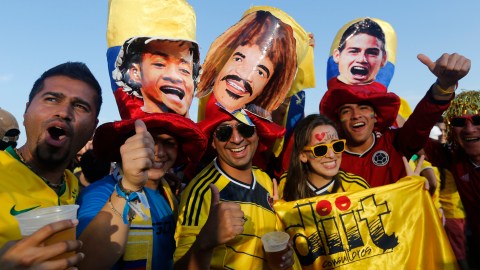
Three locations concentrate the travel intention: Miami (36%), Los Angeles (34%) and the area of New York and New Jersey (32%). Miami hosts Brazil, Colombia, Uruguay and Portugal in the group stage. Their match of greatest interest to South American audiences is Colombia against Portugal, scheduled for June 27. Although households of Argentine origin report the highest interest in the tournament, Argentina does not have group stage matches in that city.
Accommodation and distribution of expenses
61% of respondents believe that a short-term rental fits their needs better than a resort when traveling as a family. Low- and middle-income households report larger travel groups, a way to spread the costs of lodging and transportation.
Airbnb, which commissioned the study, added a shared itinerary feature in its summer launch that allows groups to save reservations and review travel times on the same map. According to the platform’s internal data, 77% of the accommodation available at the venues costs less than $500 per night.
The spending of these travelers extends beyond the stadium. 67% consider it important to eat and shop close to where they are staying, and forty eight% actively seek to visit commercial areas and residential neighborhoods outside the tourist circuits. 52% say that a recommendation from their host led them to a local business they didn’t know. The projected budget focuses on food and restaurants, which lead with 82%. This is followed by transportation, with 67%, and accommodation, with 58%.
“We are facing a historic milestone for group and identity tourism in the region,” said Jordi Torres, director of Airbnb for North and Latin America, when presenting the findings.
What remains to be confirmed
The figures measure intention and not confirmed behavior. The actual result will depend on ticket availability and prices, which rise as the start of the tournament, scheduled for June 11, approaches. The performance of each team can also change which city its fans travel to.
The study was administered online among Latino adults and its results were weighted with rotten in the American Community Survey, with a margin of error of ±3.03 percentage points.
Keep reading:
• Brian Chesky tells why Airbnb left the “neglect inns” motto behind and how he is preparing for the man-made intelligence race
• Airbnb wants to be more than an accommodation app for the 2026 World Cup
• WhatsApp launches Fútbol central 2026 to follow the World Cup from one place


