

By Franklin Delgado
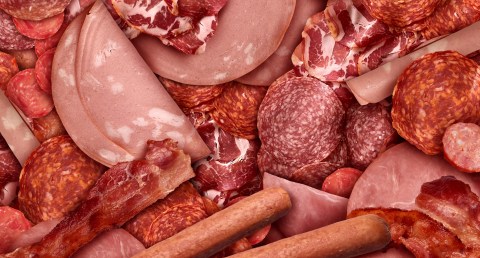
Eating processed meats, such as ham and sausages, may be linked to an increased risk of developing certain types of cancer, especially in the upper digestive tract, a new study indicates.
It is well known that processed meat can contribute to colon cancer, however, this study focused more on cancers in the upper digestive tract, where the relationship has historically been less clear, he notes. Fox News Digital.
The research, led by the European Prospective Investigation into Cancer and Nutrition (EPIC), involved 450,112 people in Europe and had an average duration of 14 years.
During follow-up, 876 cases of stomach cancer and 215 of esophageal adenocarcinoma were reported. A 9% increase in the risk of stomach cancer was found for every 30 grams of processed meat consumed daily. The researchers tracked the location of the stomach cancers, separating them into the upper part of the stomach, near the throat, and the rotten part of the stomach.
Risk by gender
The findings showed that men had a more significant link between processed meat and stomach cancer. In contrast, women also showed an increased risk with white meat consumption.
Despite the link found, the researchers emphasize that further research is necessary to confirm these results and evaluate other underlying risk factors that could influence the relationship between diet and cancer.
Other factors that contribute to the risk of digestive cancer
In addition to processed meat, the Roswell Park organization points out that the main factors that increase the risk of cancer in the upper digestive tract (mouth, pharynx, larynx, esophagus and stomach) are:
Chemical and lifestyle factors
- alcohol consumption. Directly associated with tumors in the mouth, pharynx, larynx and esophagus; drinking ≥3 drinks/day doubles the risk.
- Smoking. Smokers have twice the risk of gastric cancer than non-smokers; It also affects the esophagus, mouth and larynx.
- Alcohol + tobacco combined. The synergistic effect multiplies the risk (up to 30 times greater for esophageal cancer).
Infectious factors
- Helicobacter pylori. Bacteria that causes chronic inflammation and ulcers; It is the fundamental risk factor for gastric cancer.
- Epstein-Barr virus. Linked to some gastric cancers (although the direct link is not yet completely clear).
- HPV (human papillomavirus). Risk element for oropharyngeal and esophageal cancer.
Dietary and metabolic factors
- Diet high in salty/smoked foods. Salted, grilled or charcoal-roasted meats increase gastric risk.
- Obesity/overweight. It forms a pro-inflammatory state and chronic reflux, which is linked to esophageal cancer.
- Low intake of fruits and vegetables. Deficiency of antioxidants and protective vitamins.
Medical and genetic factors
- Chronic gastroesophageal reflux (GERD). Necessary bid for squamous cell esophageal cancer and adenocarcinoma.
- Atrophic gastritis/pernicious anemia. Long-lasting stomach inflammation that increases gastric risk.
- Family history. Up to 10% of cases have an affected first-degree relative.
- Hereditary syndromes. Lynch, familial adenomatous polyps, CDH1 (hereditary diffuse gastric cancer).
- Previous gastric surgery. The risk increases years later due to inflammation due to bile reflux.
Keep reading:
· It’s not just meat and eggs: “There are many other sources of good quality protein”
· Doctor Loses 70 Pounds of Weight on Carnivore Diet: “Americans Have Been Misled About Nutrition,” He Says
· Legume Renaissance in American Cuisine: When the going gets tough, we eat more beans


