

By Franklin Delgado
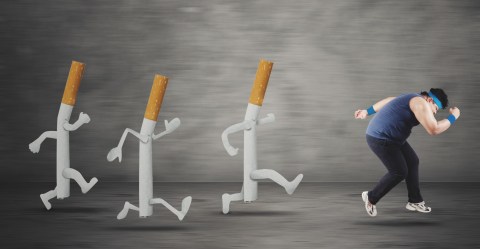
A comprehensive study that reviewed 59 randomized controlled trials with more than 9,000 adults has shown that high-intensity aerobic exercise reduces cigarette cravings.
The report, published in Journal of Sport and Health Sciencereveals that short-duration exercise reduces smoking cravings immediately and up to 30 minutes after the activity. However, there is no evidence of a long-term effect on cravings.
Physical training increases the likelihood of quitting smoking by 15% to 21% compared to those who do not exercise regularly.
Exercise as a method to reduce stress
Exercising not only helps reduce nicotine cravings, but also mitigates anxiety and stress related to smoking, boosting the release of hormones like dopamine and reducing cortisol.
The authors of the study suggest integrating exercise into smoking cessation programs and call for research into the impact of vaping on nicotine cravings.
Exercises for people with withdrawal symptoms
Exercise programs can be adapted for people with severe withdrawal symptoms, prioritizing low-intensity activities, medical supervision, and slack progression to avoid fatigue or injury.
Initial evaluation
First evaluate the patient’s physical fitness, age and general health with a doctor to rule out risks such as hypertension or heart problems. Start with short sessions of 5-10 minutes so as not to aggravate symptoms such as irritability or tiredness. Constantly monitor intensity using scales such as perceived exertion (Borg), keeping it at low levels (11-13/20).
Recommended exercises
- Diaphragmatic breathing and relaxation: Perform 2-3 minutes, 3 times a day; Breathe in through your nose, bringing air to your belly, and exhale slowly through your mouth to reduce anxiety and craving.
- Slow walks or gentle yoga: 10-20 minutes daily outdoors to improve mood and relieve insomnia or discouragement, avoiding intense exertion.
- Stretching and tai chi: Focused on balance and calm, 2-3 times a week, to manage stress without muscle overload.
Progression and precautions
Increase duration or intensity only every 1-2 weeks if symptoms improve, incorporating light force (elastic bands) after 4 weeks. Avoid caffeine, alcohol, and vigorous exercise initially; Combine with distractions like music. Always consult a professional to customize based on severity.
You may also be interested in:
· Nutritional strategies to increase muscle mass
· Ultra-processed foods and muscle health: new study reveals concerns
· Vitamin D and diabetes: the nutrient that the sun can give us, but that the world ignores


