
The celebration of Mother’s Day can vary in date depending on the country, but there are few places in the world that do not commemorate it.
On the American continent it is usually celebrated mostly in May – the second Sunday of that month – although other countries such as Mexico, Guatemala and El Salvador do it days before.
Whatever it may be, this traditional date has become one of the most important occasions of the year for commerce, particularly for cards, flowers, sweets, restaurants and sales of other items for mom.
Many children, grandchildren, siblings and couples have the day very much in mind, but few know the story of how the custom of commemorating maternal love on a specific date originated.
Campaign in honor of a mother
The tradition comes from the Greeks, who at the beginning of spring honored the mother of all gods, Rhea, with rituals and gifts.
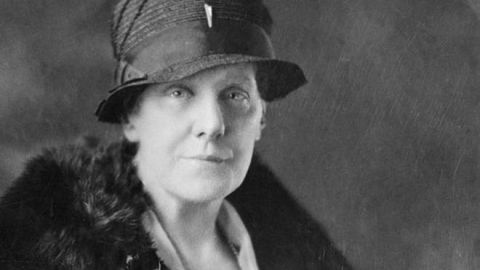
But the officialization of this custom began in the 20th century, in the United States, at the insistence of a woman who was never a mother, but decided to honor hers.
In 1905 Anna Jarvis began a campaign in favor of what she called “Mother’s Day,” when her own mother, Ann Reeves Jarvis, died.
Three years later she organized a tribute for her even though the date was not an official holiday and she became an activist for the cause.
Their fight to get the day adopted lasted years. Jarvis’ motivation came from a prayer his mother showed him one day.
“I hope and pray that someone, one day, recognizes a day in memory of mothers, to celebrate the incomparable service they provide to humanity in all areas of life,” it said.

Inspiration also came from the work that Ann Reeves herself did during the US Civil War.
In 1850, in the state of West Virginia, she created a type of work group with women to care for soldiers and work for improvements in public health. She called those work days “Mother’s Day.”
Anna Jarvis began her campaign to set aside a special day for mothers by sending letters each year to congressmen, governors, celebrities and VIPs.
Some politicians mocked their efforts, saying that if Mother’s Day was made official, they would also have to institute “Mother-in-Law’s Day.”
By 1911, however, all states in the Union recognized the holiday and, three years later, it was officially adopted that the second Sunday in May would be commemorated with a holiday honoring mothers.
Jarvis’ wish had been granted and she could finally be proud to have been the “mother” of Mother’s Day.
However, shortly after, he realized that he had “created a monster.”
The commemorative date became an excellent excuse for merchants, who took advantage of the opportunity to stimulate the purchase of gifts.
Commercial line
The date became a valuable subject of advertising campaigns at the beginning of each May and gained much support within the flower and card industry.
The story that had given rise to Mother’s Day – Jarvis’s fight to honor the work of her own mother and other women – was the perfect script to boost sales even more.
It’s just that the person in charge of the commemorative date did not like the commercial course that was adopted, so she decided to boycott the date.
The activist who once campaigned for the date’s creation was now moving to eliminate it.
“Jarvis considered Mother’s Day to be his ‘intellectual and legal property,’ and not part of the public domain,” wrote Katharine Lane Antolini, author of “Commemorating Motherhood: Anna Jarvis and the Fight for Mother’s Day Help.”
“She aspired for that day to be a ‘sacred day’ that commemorated the mother who put her children’s needs before her own,” Antolini added.

“He never wanted it to become a day for giving expensive gifts, like what other holidays became at the beginning of the 20th century.”
Antolini, who is a gender studies professor at a university in West Virginia, lives about forty-five minutes from Grafton, where the church that Jarvis and her mother attended is located, and which is currently the International Mother’s Day Shrine.
According to Antolini’s investigations, Anna Jarvis criticized merchants who “took advantage” of the event and called them “copyright violators, commercial vandals and open profiteers.”
He even carried out protests against flower shops, which increased their prices in the month of May and threatened to sue many companies that profited from the celebration.
She also criticized the huge printed card industry that grew up around the day, arguing that the way to show appreciation and honor mothers should be through personal, handwritten letters.
Antolini writes that there were organizations that attempted to align the meaning of the holiday with the changing perception of motherhood in the 20th century, combining the home aspect with the impact of mothers on the community.
But Jarvis also refused to accept that interpretation.
Before she died in 1948, overcome by debt and depression, Jarvis confessed to a journalist: “I really regret having created Mother’s Day.”

How much money does Mother’s Day generate?
As in many commercial aspects, the United States leads the figures in the consumption of goods and services made around Mother’s Day.
The other countries of the world have not only followed the pattern of celebrating this holiday but also strongly incorporating the economic characteristic.
In the US alone, Mother’s Day trade represents more than US$23 billion.
According to specialized sites, articles and services are not only directed from children to mothers on this date. Consumers are buying from all the women in their lives; daughters, sisters, grandmothers, godmothers and other relatives and friends.
The card business is where there is the most movement, followed by the flower business, which has its most spectacular sales of the entire year on that date (even more than on Valentine’s Day).

This is followed by special outing services, such as to restaurants, and then come the clothing and jewelry industries.
Both advertising and sales begin in the last two weeks of April and intensify the week before the Sunday in question, up to forty eight hours before the day.
It is then that 18% of consumers decide to make their purchases at much higher prices.
Well, as the campaigns say, a mother’s love is priceless.

click hereto watch more stories from BBC Data Mundo.
Subscribe hereto our new e-newsletter to receive a selection of our best content of the week every Friday.
You can also follow us on YouTube, instagram, TikTok, x, Facebookand in our whatsapp channel.
And remember that you can receive notifications in our app. Download the latest version and activate them.
- “I won and we all won”: the celebration of the Argentine actress Thelma Fardín after the ratification of the conviction of Juan Darthés for sexual abuse
- Kraamzorg, the unique Dutch system in the world to help new mothers
- The mystery surrounding “La Llorona”, one of the anthems of Mexico that Chavela Vargas made her own


