

By Maribel Velazquez
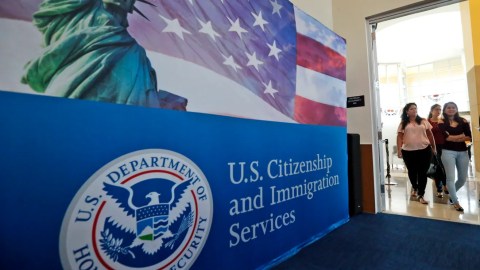
Immigration procedures are going through a new bottleneck. A recent directive from Citizenship and Immigration Services (USCIS) has tightened background checks with the backing of the FBI and artificial intelligence systemswhich has caused additional delays in an already overwhelmed system.
According to internal documents cited by CBS News, officials received clear instructions: Do not approve any request that has not gone through the new filters. This includes permanent residence, citizenship, asylum and family reunification processes.
The measure came into force on April 27 and even forces us to re-examine old cases. That is, applications that had already passed previous controls must now undergo more strict reviews again, including expanded databases and state-of-the-art biometric systems.
The impact is immediate
USCIS currently accumulates around 11.6 million pending casesthe highest figure in its history. According to an NPR analysis, this backlog had already left hundreds of thousands of immigrants without authorization to work or in uncertain immigration status. With the new controls, waiting times could be even longer.
In addition to the exchange of information with the FBI, the agency has started using artificial intelligence tools to analyze social networks and detect possible risks. It also implements automated systems that generate alerts in real time in case of any coincidence with a criminal record or changes in the applicant’s information.
These actions are part of a broader strategy promoted by the administration of donald trumpwhich seeks to strengthen immigration selection processes. The policy is supported by an executive order signed in February, which expands USCIS access to FBI records “to the fullest extent permitted by law.”
USCIS spokesperson, Zach Kahler, defended the measure by ensuring that it seeks to “strengthen the verification and selection of applicants.” He also stated that the delays “should be brief,” although he did not offer a concrete timetable.
However, civil rights organizations warn that the actual effect is another. They consider that these policies toughen immigration law without changing current legislation, while increasing uncertainty for those who have complied with all the requirements.
Keep reading:
- HUD rule would leave many families with immigrants homeless
- ICE expands detention of legal refugees without Green Card


