

By Maribel Velazquez
Congress took a key step to unblock one of the longest administrative crises of the year by approving the financing of much of the Department of Homeland Security (DHS), ending a partial closure that lasted 75 days. The decision was endorsed by the House of Representatives after weeks of political tension.
According to NBC Files, the bill, previously approved by the Senate, was supported “loudly” in the House, a mechanism that avoids individual vote registration. Now, the document will be sent to President Donald Trump, who has already announced that he will sign it to turn it into law.
The approval will allow operations to resume and financing until September 30 for key DHS agencies, such as the Federal Emergency Management Agency (FEMA), the Coast Guard, the Transportation Security Administration (TSA), and the Secret Service. However, The agreement leaves out two central institutions in immigration policy: the Immigration and Customs Enforcement Service (ICE) and the Border Patrol, which will be funded separately.
This point was the main focus of conflict between republicans and democratss. The latter conditioned their support to changes in immigration control tactics, such as the mandatory use of body cameras and restrictions on operations in sensitive spaces such as schools and hospitals.
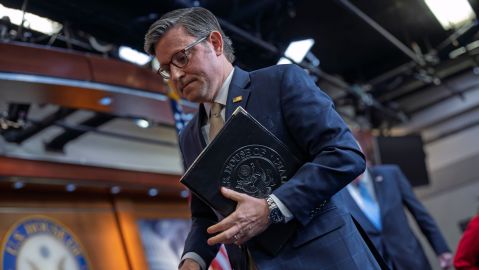
The president of the House, Mike Johnson defended the strategy of moving forward in two ways. “We have to make sure those crucial agencies receive full funding, and Republicans have to do it on our own,” he told the media. He also recognized the urgency of the moment: “I am aware of the deadlines… we will achieve our goal.”
Keep reading:
- DHS imposes new asylum fees and warns of severe consequences for non-compliance
- Delays in DACA leave professionals out of work and increase the risk of deportation


