
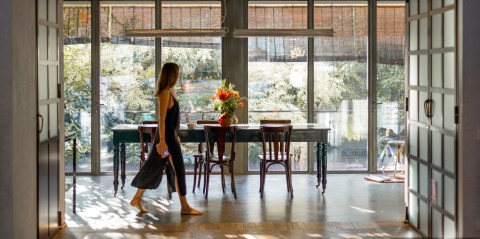
Walking barefoot at home provides multiple benefits. This practice promotes the natural functioning of the foot, improves muscle activation and promotes a more stable stride. In addition, it is related to leg toning and better perspiration.
This is stated by podiatrist Manu Vidal on his social networks, words collected in turn by the healthy living section of The Confidential, Vanitatis.
Walking barefoot at home “is not good, it is great. It is the best we can do. At home, I am always barefoot,” he asserts.
When templates are necessary
Vidal argues that the use of insoles should not be automatic and is only recommended for specific pathologies.
It also suggests that these should be removed gradually as the situation improves, allowing the foot to regain its natural functionality.
Considerations about bunions
The specialist analyzes the frequency of bunions, which can be aggravated by inappropriate footwear. Narrow shoes are one of the main causes.
However, it mentions that other biomechanical dysfunctions can also be the cause. He insists that treatment should be personalized and, in most cases, non-surgical options should be explored before considering an intervention.
Precautions when walking barefoot
Despite the multiple benefits, it is important to take into account certain risks associated with this practice.
Experts warn of possible skin lesions or infections if the home is not kept clean and safe. Therefore, it is recommended to ensure a suitable environment for walking without shoes.
Improves posture and body balance
Walking barefoot improves posture and balance by activating muscles and nerve receptors in the feet that are often inactive in conventional footwear.
Muscle strengthening. By removing the synthetic support from the shoes, the intrinsic muscles of the foot, ankle and leg are activated, which strengthens the natural structure of the foot and better distributes body weight. This favors a more natural alignment of the spine, correcting common postural imbalances in sedentary people.
Balance improvement. Direct contact with the ground stimulates nerve receptors in the soles of the feet, enhancing proprioception (perception of body position in space). Studies indicate that this practice reduces the risk of falls, especially in children and older adults, by improving coordination and stability.
General postural benefits. Without raised or cushioned soles, the body adopts a more natural gait, aligning the hips, knees and back to prevent chronic discomfort. However, it is not recommended for cases such as plantar fasciitis or diabetic foot, where it could increase risks.
Complementary wellness practices
Walking barefoot, also known as grounding either earthingis a practice that connects the body to the earth and combines well with other wellness activities to enhance its effects on stress, posture, and energy.
Conscious breathing. Deep breathing during barefoot walks calms the nervous system and amplifies the reduction of cortisol. Inhale for 4 seconds, exhale for 6, synchronizing with your steps for greater mental relaxation.
Full attention (mindfulness). Practice mindfulness by observing sensations in your feet and the natural environment, which encourages presence and improves mood. Dedicate 10-15 minutes daily to cultivate body intuition.
Yoga or stretching. Integrate simple postures such as tree poses or foot stretches at the end of the walk to strengthen alignment and flexibility. This prevents injuries and enhances the body-earth connection.
Meditation in nature. Sit barefoot submit-walk to meditate, absorbing electrons from the earth that neutralize inflammation. Combine with visualizations to enhance sleep and vitality.
You may also be interested in:
· Sleeping postures say a lot: the connection between sleep, personality and health
· The perfect time to sleep: a key fact for health
· Why doctors recommend exercising at night for people with diabetes


