

By Samuel Gonzalez
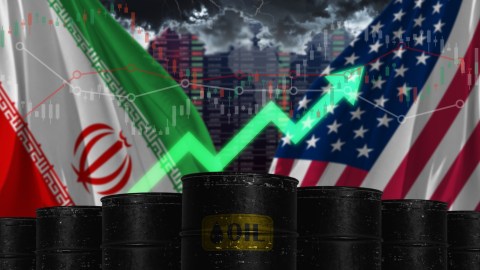
When everything seemed that a truce between the United States and Iran brought them closer to a lasting agreement, doubts about a permanent peace have caused the price of oil rises sharply and is once again above $110 dollars per barrel. This rebound is a reflection of the fear that the Strait of Hormuz, one of the most strategic points in the world’s hydrocarbon trade, will continue to be affected by the conflict.
During the first hours of the day, Brent crudeconsidered the international reference, registered an increase of 2.7%, reaching $111.2 dollars per barrel. For its part, West Texas Intermediate (WTI)predominant indicator in the United States, rose 2.3% to settle at $98.5 dollars per barrel. These figures represent their highest level in three weeks, driven by uncertainty surrounding the entire reopening of this key shipping lane.
“The stagnation and closure of the strait continues to have a negative impact on oil prices,” said Mohit Kumar, chief European economist at investment bank Jefferies. “The longer the strait remains closed, the greater its negative impact on the global economy.”
The Strait of Hormuz is a well-known artery for global oil transportation. A prolonged interruption in this area has immediate consequences on international pricessince it limits the flow of crude oil from important producers in the Persian Gulf to global markets. The lack of clarity about its situation has set off alarms among operators and analysts.
President Donald Trump recently hinted that he does not consider it feasible to accept the latest proposal presented by Iran to end the conflict. According to CNN reports, based on sources close to the subject, Tehran would have proposed reopening the Strait of Hormuz as part of an initial draw, leaving discussions on its nuclear program for a later stage.
The increase in oil prices usually affects transportation costs and, eventually, the prices of goods and services.. In short, the cost of living becomes more expensive.
Additionally, volatility in energy markets complicates economic planning for both companies and governments. The world’s dependence on oil remains high, so Any alteration in its supply generates chain effects. As long as there is no concrete progress in the negotiations between the United States and Iran, the market will continue to react to every political signal.
You may also be interested in:
- Trader Joe’s sued over the amount of caffeine in its coffee
- Capital One must pay $425 million to customers over lawsuit
- Places You Should Never Use Your Social Security Number
- Social Security: Do you receive your full payments if you retire mid-year?
- Price of the dollar in Mexico today, April 24, 2026: uncertainty in Iran strengthens the dollar


