

By The Diary
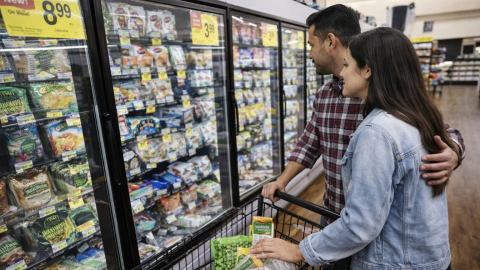
Customers in Maryland supermarkets are the only ones in the country who when they see the price of a product on the shelf they are guaranteed that it is the same one they will pay at the checkout. That state is the first that gave priority to the consumer, protecting them from variations in dynamic prices.
Dynamic pricing is a system where the price of a product can change several times a day. depending on the number of people who buy it or the stock that remains. Companies use it to determine the cost of a product due to supply and demand, competing with other businesses and the level of reservation.
It’s good business for companies when minute by minute they see how to get the most out of ticket prices. What began as a way to take advantage of space on airlines in the eighties today became a nightmare to obtain, for example, tickets to a game and a concert.
Different studies estimate that companies see an increase in revenue of between 1% and 8% annually and an increase in profit margins of between 5% and 25% thanks to dynamic pricing. The viewer, the consumer, is the one who pays that difference with exorbitant prices.
There are other states like California and New York that prohibited the dynamic pricing system linked to the consumer profile. Others like Illinois have several projects waiting in the Legislature. However, none protect the consumer like Maryland.
Dynamic prices are an example of technology at the service of the business sector that increases its profits by squeezing the consumer who has no recourse but to submit. These advances do not seem to exist for consumer protection.
It is difficult at this point to change a price system established throughout the economy, although it can be limited in the most basic aspects such as supermarket products.
Walmart, for example, is changing its shelves this year so that they electronically reflect a price that can change as the business decides. The company says it improves efficiency, reduces paperwork and helps lower prices. The reality is that it creates uncertainty for the consumer and, as we said, it is a way to increase profits. The only one who loses is the consumer.
We believe all states should follow Maryland’s lead. Legislators must act more in defense of the consumer. At least in supermarkets, where we all buy the basics, price stability could be maintained for a day. It’s not too much to ask.


