

By Maribel Velazquez
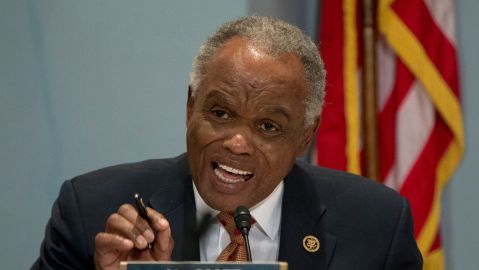
The Democratic congressman from Georgia, David Scottdied at the age of 80, as confirmed by the minority leader in the House of Representatives, Hakeem Jeffries. The news marks the closing of a political career of more than two decades in Congress, where Scott established himself as an influential figure on agricultural and rural development issues.
According to official information, Scott was first elected in 2002 to represent a district outside Atlanta, and was campaigning for a 13th term. His legislative career was marked by his focus on rural-oriented public policies, food security, and support for historically marginalized communities.
One of his most important milestones was becoming the first African American to chair the House Agriculture Committeea key position to define the direction of subsidies, food programs and agricultural policies at the national level. From that space, Scott promoted initiatives to strengthen small producers and guarantee access to food in vulnerable sectors.
“The passing of Congressman Scott is deeply sad”Jeffries told the media. “He was a pioneer who served his district admirably, rising from humble beginnings to lead one of the most important committees in Congress.” The Democratic leader also stressed his commitment to the citizens of Georgia and his ability to translate local demands into concrete policies.
In 2024, Scott stepped down as committee chair after an internal replacement of the Democratic Party that sought to make way for new generations of leadership. Representative Angie Craig then took office as the predominant Democratic figure in that instance. Still, Scott remained active in his legislative functions and maintained his intention to be re-elected.
His death also has immediate political implications. The current composition of the House of Representatives remains at 217 Republicans, 212 Democrats and one independent, a balance that could influence key votes in the coming months.
Beyond the numbers, the figure of David Scott leaves a significant mark on the recent history of the US Congress. His rise from modest origins to leadership positions symbolizes a advance in political representation, particularly for African American communities in spaces traditionally dominated by other profiles.
While more details are awaited from his team, his legacy is already recognized by both allies and opponents, who agree on his negotiating ability.
Keep reading:
- Republicans reject request to honor Rev. Jesse Jackson at Capitol
- Ex-Virginia lieutenant governor killed wife, committed suicide, police say


