
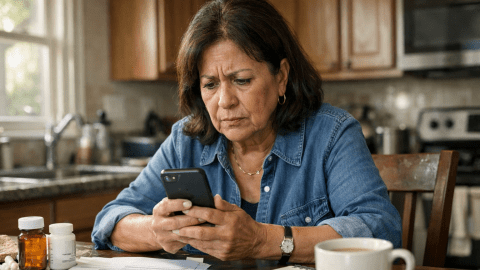
In Texas, where millions of people depend each month on Social Security deposits to cover rent, food, medicine or basic expenses, an alarm that is increasingly worrying has gone off again: the scams that use the name of the Social Security Administration (SSA) to deceive beneficiaries.
The warning comes in the middle of the April payment season, when many people review their accounts, wait for deposits or follow pending procedures. This context is used by criminals who send fake messages, make intimidating calls or create pages that imitate official sites to keep private information and, in some cases, empty bank accounts.

It’s not just about retirees. Also targeted are people with disabilities, families who receive survivor benefits, older adults with limited income, and even children or grandchildren who help their relatives with digital tasks.
You can see: They warn of the development of scams with AI: the most common and why they are increasingly effective
How scams operate
The mechanism usually starts with something simple: an email, a text message or an unexpected call.
The message may say that the payment was placed on hold, that the account needs urgent verification, or that there is a problem with the Social Security number. In other cases they promise increased profits or pending deposits.
Everything is designed to create trouble. When the person clicks or responds, scammers try to obtain:
- Social Security Number.
- Birthdate.
- Bank details.
- Access keys.
- Codes sent by SMS.
- Copies of personal documents.
With this data they can commit identity theft, request credit or move money without authorization.

“I thought technology needed”
María G., a 62-year-old Houston resident, said she received an email notifying her that her monthly deposit was “under review.” “It had the logo, it looked serious and I was just waiting for the payment. I almost entered the link. My daughter saved me, who told me that this was not unheard of,” he said.
As he explained, the message asked to confirm bank details to “reactivate the benefit.” He deleted it immediately.
Stories like that are frequently repeated, especially among people who are not used to detecting digital fraud.
Why Texas is vivid terrain
Texas has a large population of seniors, retired workers, and families who receive various federal benefits. In addition, many people handle procedures in English as a second language or depend on third parties for online procedures, which can increase vulnerabilities.
Another factor also plays a role: the growth of telephone and text fraud in large cities such as Houston, Dallas, San Antonio and El Paso.
What Social Security will never do
The Social Security Administration reminds that it does not usually contact people to demand urgent payments or request money through:
- Gift playing cards.
- Immediate transfers.
- Cryptocurrencies.
- Quick payment apps.
Nor does it threaten instant arrests over the phone or block benefits in minutes with a message: when pressure, fear or extreme urgency appears, it is usually a clear sign of fraud.

¿What should you do if you receive one?? The most important thing is not to react too hot. If a suspicious message arrives, do not open links, do not provide data and never follow telephone instructions.
Cut the call, go to the official SSA website on your own and consult with a trusted acquainted if you have any doubts.
Why are they growing now?
April usually concentrates payments, bank transactions and tax-related queries. That mix of money and anxiety is paramount for scammers, who know that many people expect deposits or are aware of their financial situation.
Continue reading:
IRS warns of fake calculator scams promising high tax refunds
Technology promoted at the DMV to fight identity fraud in California
Texas tightens construction controls: what happens if you work without a license from May 1


