
What you eat can make you feel happier and keep anxiety and depression at bay
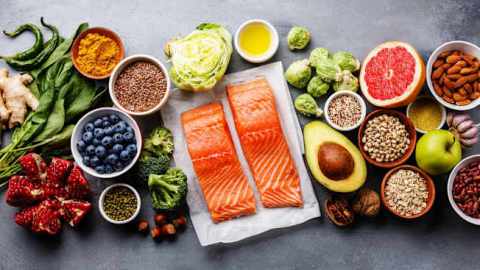
Colorful fruits and vegetables, as well as foods with healthy fats, such as fish and avocados, are some of the foods that support emotional health.
By Jennifer Cook
Most of us know that what we eat can help keep us physically healthy, but few recognize that it can also affect our emotional health. A growing body of research suggests that certain foods and dietary patterns can reduce depression and anxiety, while others may contribute to them.
“Adjusting your diet can make a real difference in improving nervous system health,” says Dr. Meroë Morse, an integrative medicine physician at MD Anderson Cancer Center in Houston. “It’s empowering for people to realize that they can change their mood just through what they eat.”
The right foods can help correct lack of energy and irritability relatively quickly. As for other changes, “some people may start to notice improvements within a week, while for others it may take three,” says Dr. Uma Naidoo, director of nutritional and lifestyle psychiatry at Massachusetts General Hospital in Boston. Even those who still require medication or other treatments for mood disorders can benefit from healthier eating.
How powerful can diet be?
Your digestive system and brain are constantly sending chemical messages to each other, and the healthy bacteria that live in your gut play a role in these communication pathways. They help produce mood-regulating chemicals such as short-chain fatty acids and neurotransmitters. Foods rich in fiber and nutrients (whole grains, fruits, vegetables, legumes and nuts) provide bacteria with the fuel necessary to produce these compounds.
Your gut also communicates through signaling molecules that help fight chronic inflammation, which can wreak havoc throughout your body. Studies show that people with depression tend to have greater inflammation than others, although the reason is unknown. However, those same foods contain antioxidants that can help reduce inflammatory chemicals. Healthy fats found in seafood, nuts, and certain oils also have anti-inflammatory properties.
A third way diet affects mood is through blood sugar (glucose) levels. A sharp drop in glucose can cause energy crashes, and sharp fluctuations have been linked to anxiety and depression. Fiber is helpful in this regard by acting as a buffer: It wraps around glucose molecules and slows their absorption, thus preventing large spikes and dips, Morse says.
Keeping blood sugar levels stable can have an almost immediate benefit. “Eating a balanced meal that includes protein, fiber, and healthy fats can stabilize blood glucose and reduce irritability, fatigue, and brain fog within hours,” says Dr. Wolfgang Marx, PhD, deputy director of the Center for Food and Mood at Deakin University in Geelong, Australia. Blood sugar monitoring may be especially beneficial for anxiety, he notes, since wild glucose fluctuations can mimic or intensify its symptoms.
Try to limit ultra-processed foods
Ultra-processed foods, such as soft drinks, processed meats and packaged sweets, represent a double harm. They’re high in refined carbs, sugar, and inflammation-triggering additives, and lack the fiber, vitamins, minerals, healthy fats, and other beneficial nutrients you need to maintain a stable mood. A 2022 analysis, based on 17 studies and published in the journal Nutrients, revealed that higher consumption of ultra-processed foods was associated with a 53% higher risk of depression or anxiety. Likewise, women who ate nine or more ultra-processed foods a day had a 49% higher risk of depression than those who ate fewer than four, according to a 2023 study published in JAMA Community Initiate.
Learn what to eat instead
The Mediterranean diet includes many of the foods that benefit both the intestine and the brain. “It really has become kind of a benchmark of excellence because it’s been tested and researched,” says Naidoo. In a study published in 2024 in the British Journal of Weight loss program, for example, participants between the ages of 65 and 97 who followed the diet rigorously were approximately 55% less likely to experience symptoms of depression.
It is not necessary to make big changes all at once. “Small adjustments sustained over time can modify the biological systems that influence mood,” says Marx. “Adding a handful of legumes, replacing refined grains with whole grains, increasing the amount of vegetables in regular meals or reducing ultra-processed snacks are significant changes.”
You don’t have to be perfect either. “Consistency is traditional, but if you take your grandchild to a birthday party and you find yourself with a cupcake… well, that’s life,” says Naidoo. She suggests that trying to eat a healthy diet 80% of the time is enough.
Try to consume more of these foods and gradually replace most of the ultra-processed products in your diet:
- Colorful fruits and vegetables They provide antioxidants and other nutrients that help control inflammation. A 2018 review, published in the British Journal of Weight Loss Program, found that an increase of about half a cup to one cup in consumption in any of these groups was associated with a 3% decrease in the risk of depression.
- Sea productsan important source of omega-3 fatty acids, help moderate inflammation. Older women who consumed between 11 and 16 ounces of these foods weekly were 43% less likely to report symptoms of depression compared to those who consumed a lower amount, according to a 2024 study published in the British Journal of Weight Loss Program.
- Nuts and seeds They contain fiber and healthy fats that help control inflammation. Daily consumption of up to ¼ cup of nuts reduced the risk of depression by 17% in a 2023 study published in the journal Scientific Weight loss program.
- Whole grains, such as barley, oats and bulgur, are rich in fiber. Older people who consumed them five or more times a week were 14% less likely to have symptoms of depression, according to a 2025 study published in the journal Growing outdated & Psychological Neatly Being.
- Fermented foodslike kefir, yogurt and kimchi, contain probiotics, bacteria that promote intestinal health. A study conducted in 2021 by Stanford University revealed that a diet rich in fermented foods, followed for 10 weeks, reduced signs of inflammation in the body.
- He additional virgin olive oil It contains polyphenols, nutrients of plant origin with anti-inflammatory properties, and oleic acid, from which the compound called oleamide is derived. According to studies carried out on animals, this oil could exert effects related to mood, such as promoting sleep.
Editor’s note: This article was originally published in the April 2026 issue of User Stories On Neatly Being.
User Stories is a neutral, nonprofit organization that works facet by facet with patrons to produce a fairer, safer, and healthier world. CR does no longer endorse services or products, and does no longer settle for promoting. Copyright © 2026, User Stories, Inc.


