
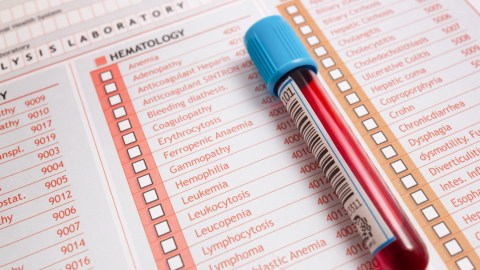
Sometimes it may seem inexplicable, but it happens. Sleep eight hours and still feel sleepy, because your body asks you for more rest; climbing stairs and noticing that your heart races for no reason; Looking in the mirror and finding a skin tone that is paler than usual, are signs that many people attribute to stress or the accelerated pace of modern life, but that can have a much more specific and treatable origin: anemia.
It causes fatigue, weakness, lack of concentration and drowsiness, which worsen if untreated, warns Dr. Fabio Alberto González Plata, specialist in internal medicine.
Anemia occurs when the blood does not have enough healthy red blood cells, or when they do not produce the hemoglobin needed to carry oxygen to the body’s organs and tissues. Without that oxygen, the body works at its limit: the heart beats faster to compensate, the muscles become exhausted sooner and the brain performs below its capacity.
There are more than 400 types of anemia, classified according to their cause. The most widespread is iron deficiency anemia, caused by a lack of iron, a vital mineral for making hemoglobin. It also results from a deficiency of vitamins B12 and folic acid.
Signals that the body sends
Persistent fatigue is the most viewed flag, but the clinical picture of anemia is broader and more varied than is usually believed:
- Extreme tiredness and constant drowsiness, even after sleeping well
- Paleness of the skin, gums and inner part of the eyelids
- Difficulty breathing with minimal physical effort
- Palpitations or feeling that the heart is “working too hard”
- Frequent headaches and dizziness when getting up
- Cold hands and feet in a routine way
- Difficulty concentrating or feeling of “mental fog”
- Brittle nails and dull hair that falls out easily
In more advanced cases, an unusual desire to eat non-food substances – such as ice, dirt or starch – may also appear, which is a sign of a severe iron deficiency.
Who is most at risk?
Anemia can affect anyone, but certain groups are especially vulnerable. Women of childbearing age top the list, due to monthly blood loss during menstruation. Pregnant women have doubled iron needs to sustain the development of the fetus. While growing children, older adults and people with chronic diseases such as kidney failure, cancer or inflammatory diseases are also at greater risk.
Likewise, very restrictive eating regimens can contribute to low levels of iron, vitamin B12 or folic acid. Also those who have undergone gastrointestinal surgeries or suffer from conditions such as celiac disease may have difficulty absorbing these nutrients correctly.
Diagnosis: a simple blood test
The good news is that diagnosing anemia is simple and accessible. A complete blood count—a routine blood test—allows a doctor to evaluate hemoglobin levels, red blood cell counts, and other key indicators in a matter of hours.
If the results point to deficiencies, complementary tests will help identify the exact cause and guide the most appropriate treatment.
Dietary approach and supplementation
A balanced diet is mandatory in the treatment of anemia. In this regard, Cleveland Sanatorium offers some recommendations:
A high consumption of red meat, legumes and green leafy vegetables is suggested, combined with sources of vitamin C to maximize iron absorption.
Dishes like White Bean Salad with Tuna and Ground Beef Wrap with Black Beans are examples of food options that offer an effective combination of iron and other essential nutrients. Iron supplements, such as ferrous sulfate, are a viable option for those who need additional intake.
Drinks such as pineapple and parsley smoothie or orange and beet juice can also complement a diet designed to combat anemia.
You may also be interested in:
· Hemoptysis: when spitting blood can be cause for alarm
· Innovative alternative for the treatment of hypertension created in Mexico: a dermal patch
· How much protein do you need based on your level of physical activity?


