

By Maribel Velazquez
Donald Trump’s administration opened a new front in its immigration policy: the financial system. Through an executive order signed on May 19, 2026, the White House instructed the Treasury Department and regulatory bodies to tighten controls on bank accounts, credits and transfers linked to immigrants without valid authorization to work in the United States.
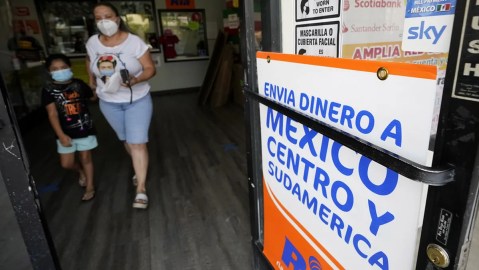
Although the order does not directly prohibit remittancesdoes raise new financial oversight rules that could change the way millions of immigrants send money to their families in Latin America.
The measure pays special attention to the use of ITIN —the tax number used by people who do not have Social Security—, as well as small international transfers, digital payment platforms and cash deposits that the government considers potentially associated with illicit activities.
The official text was published by the White House and is part of Trump’s strategy to strengthen immigration and financial controls.
“It is the policy of my Administration to restore the integrity of the American financial system,” the executive order states.
Trump links remittances to organized crime
One of the most delicate points of the document is that the White House justifies the tightening of controls by ensuring that small international transfers have been used by organizations related to drug traffickingmoney laundering, human trafficking and criminal financing.
In the order, Trump states that financial investigations detected operations linked to Mexican cartels dedicated to fentanyl trafficking, as well as transnational criminal networks that allegedly take advantage of bank accounts and money transfer platforms in the United States.
The document also mentions investigations into Chinese money laundering networks which, according to the US government, would have moved more than $312 billion using accounts within the country’s financial system.
“They need Robust customer identification programs and reinforced due diligence measures to mitigate these risks,” says the presidential text.
From now on, the Treasury Department must issue formal warnings to banks and financial institutions about red flags related to tax evasionoff-payroll payments, use of shell companies and suspicious transfers.
Banks could ask immigrants for more information
Trump’s order seeks to tighten the rules for opening accounts and accessing financial services. Banks and companies could collect more customer information when they detect possible risks of fraud or illegal activity.
The document also opens the door for some institutions to request data related to immigration status or employment authorizationin addition to reviewing accounts opened with ITIN and consular registrations.
Specialists warn that this could lead to more reviews for sending remittances and stricter processes in banks and remittance companies.
Although remittances will remain legalmany institutions could tighten controls to avoid regulatory problems.
Keep reading:
- ICE has detained more than 6,200 children in Trump technology; warn of psychological damage
- ICE planned to use detainees as labor in temporary immigration centers


