
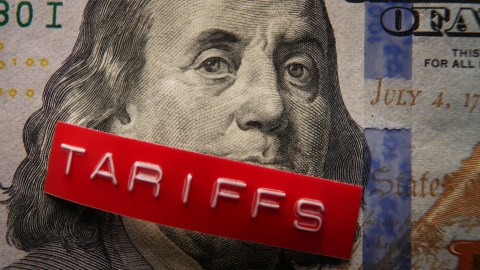
Thousands of people in the United States have for months resented rising prices on imported products, from clothing and electronics to food and furniture. Now that The first refunds related to tariffs began to be delivered taxes during the Donald Trump administration, many consumers wonder if that money will go directly back into their pockets. We explain all the details about this import fee refund process.
The process officially began on April 20, after federal courts determined that several tariffs imposed under the International Emergency Economic Powers Act (IEEPA) were applied illegally. From that decision, The federal government began returning some of the money collected from those business taxes.
One of the first cases that have confirmed that they have already received their tariff refund is that of the wine importing company VOS Decisions. Its CEO, Victor Schwartz, confirmed through his lawyers that the company received a refund of $110,000 directly into its bank account. The company was one of the plaintiffs in the case that went all the way to the United States Supreme Court.
Customs and Border Protection (CBP) reported that the first group of refunds has already been approved and sent to the Treasury Department for payment. According to official estimates, The government could return up to $166 billion in tariff depositsin addition to interests.
During Trump’s second term, the administration implemented global tariffs using the IEEPA, a law originally designed for national emergencies. The tariffs affected many American companies that depend on foreign suppliers, especially small importing and manufacturing companies.
In February, The Supreme Court ruled by six votes to three that the government did not have the authority to use that outrageous law to impose global tariffs. After the ruling, CBP was ordered to create a system to manage refunds.
To speed up the process, the agency developed a new platform called Consolidated Entry Administration and Processing (CAPE). This system allows multiple refunds to be grouped into a single payment for each importer, instead of processing them on a shipment-by-shipment basis.
The CBP detailed that, until May 11, $35.46 billion dollars had already been calculated in refunds and interest corresponding to 8.3 million commercial shipments. Companies like Walmart, Intention, Nike and House Depot could be among the companies that receive part of these payments.
Companies interested in recovering money must register with CBP and submit documents related to imports, tariff payments and official forms. Authorities indicated that valid payments could be delivered between 60 and 90 days after the application is approved. As we are reporting, the first cases have received their money even before 30 days.
How could consumers benefit?
Although consumers will not receive direct checks from the governmentsome specialists consider that there could be an indirect benefit if companies decide to lower prices or absorb part of future costs.
“Unfortunately for American consumers who had to absorb the prices related to the tariffs, these refunds are payments directed to importers who paid tariffs later declared illegal, no refund checks for your customers“Alex Beene, a financial education trainer at the University of Tennessee at Martin, explained to Newsweek.
“If refunds move quickly, some companies could reduce price pressure as their inventories increase. If they move slowly, this will become another legal and political dispute over who really deserves the money,” he added.
Other experts believe that households will hardly see an immediate reduction in prices. The Yale Budget Lab estimates that These tariffs cost each American family about $2,500 a year during 2026..
“That money went from consumers’ wallets to the financial balance sheets of corporate importers,” said Michael Ryan, founder of the site MichaelRyanMoney.com. “And the reimbursement system is returning it to the corporations themselves, not to households”.
Kevin Thompson, CEO of 9i Capital Crew, also warned that many companies could keep the money.
“Many companies have already paid the tariffs and passed those costs directly on to consumers through higher prices,” Thompson said. “Now some of those same companies could benefit again through refunds, while consumers again bear the losses.”
In summary, consumers They will not receive direct money from the government and They will just have to wait to see if the companiesmostly retail stores from which they purchased certain products with tariffs, reduce prices or generate special discounts to thank and maintain their loyalty. It is not up to them and there is nothing certain in sight.
You may also be interested in:
- Social Security COLA 2027 would be almost 4%, according to a new estimate
- Price of the dollar in Mexico today, May 14, 2026: Warsh’s impact on the Fed
- Inflation accelerates to 3.8% in April and reaches its highest level since May 2023
- Can Social Security benefits be garnished for debt or what can you do?
- Kevin Warsh is named the new chairman of the Federal Reserve, approved by the Senate


