
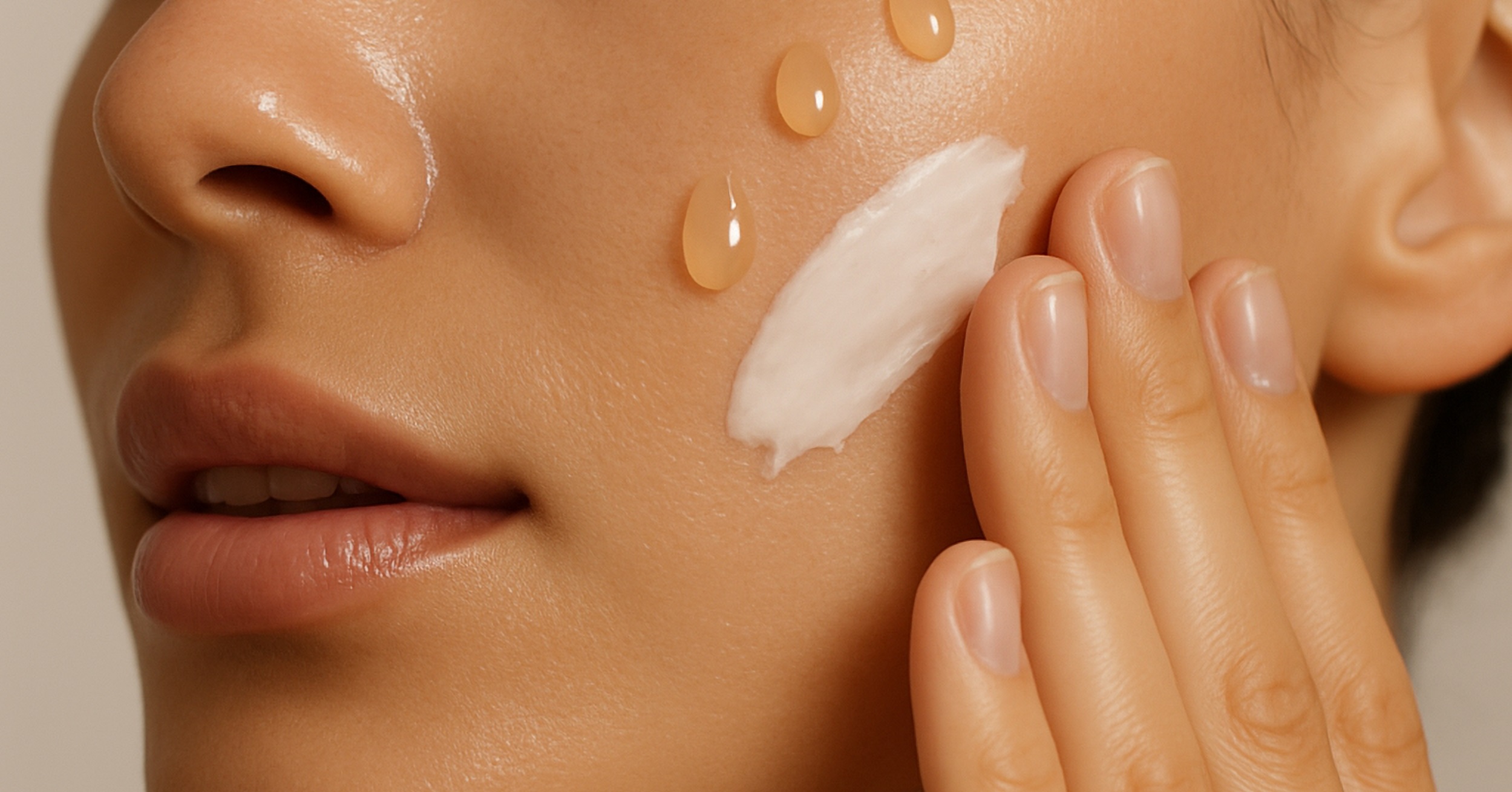
In South Korea, the You & I Clinic has popularized an innovative treatment that involves injections of DNA fragments from salmon sperm. This procedure seeks to improve the texture of the skin and stimulate its recovery, although scientific data on its effectiveness is limited.
“The goal is not to increase volume, as with a filler, but to prepare the skin or biostimulate it, which involves promoting a healthier dermal environment and its recovery,” explains Kyu-Ho Yi, aesthetic doctor at the clinic and associate professor at Yonsei University, reports David Cox for BBC Future.
The concept comes from the field of regenerative medicine and wound healing. They have been shown to “help improve skin hydration, firmness, texture and wrinkles,” says Joshua Zeichner, associate professor of dermatology at Mount Sinai Hospital in the United States. “It’s not clear how anyone decided to try this as a skin treatment, but it is still being used,” he adds.
The rise of these injections has been fueled by the K-Elegance trend and adoption by numerous celebrities, generating global interest in unconventional beauty treatments.
Historical background of skin care
Throughout history, many unusual practices have been used in skin care. From Cleopatra’s soured milk to the use of traditional medicine ingredients—such as women in Myanmar applying a paste called thanaka to their faces, made from ground tree bark, both for decorative purposes and to protect their skin from sun damage—modern science is rediscovery of some of these ancient remedies for their beneficial properties.
Contemporary treatments and their effectiveness
Among the most discussed trends are the “geisha facial,” which uses nightingale droppings, and grim menstrual masks.
Although some treatments, such as platelet-rich plasma injections, show positive results, others, such as menstrual masks, lack scientific support.
The evolution of skin care indicates that treatments should be sought that improve your health, through the microbiome and the addition of collagen. As new solutions are explored, the question remains: Do they really outperform traditional treatments in effectiveness?
What do dermatologists say?
Experts are cautious about the effectiveness of several novel treatments. While some offer results, such as increased skin elasticity, others have not been shown to be effective for all patients, leading to variability in their success.
Most dermatologists are skeptical and cautious about unconventional beauty treatments, especially if they are spread only through social networks and do not have solid scientific evidence. In many cases they accept to incorporate new methods only when there are clinical studies, long-term follow-up and a well-defined safety profile.
Main reservations of dermatologists
- Lack of real evidence: Many “viral treatments” (salmon DNA injections, masks with bird poop, 10-step routines with unusual ingredients, and a lot of others.) do not have robust clinical trials demonstrating their effectiveness or safety.
- Risk of damaging the skin: Aggressive mechanisms, homemade mixtures of acids or improperly used “red light” devices can cause irritation, allergic reactions, damage to the skin barrier and even worsen problems such as acne, rosacea or melasma.
When are they more open?
- When the technique is based on known biological principles (such as certain forms of biostimulation or LED light) and is used in the office by a professional, some dermatologists see it as a good complement to traditional treatments.
- At fashioned, they disagree with skin being “a fashion experiment”, and recommend always first evaluating the diagnosis, medical history and skin type before adopting something out of the standard.
Caution for users and patients
Patients should always consult with their doctor about any medications, herbs, or supplements they are taking to avoid dangerous interactions. It is necessary to verify the dose, the treatment time and if there are restrictions such as pregnancy, infections or the need for previous vaccines.
Medical communication. Tell your doctor about all current medications, including over-the-counter ones, and ask if it is safe to combine them or if they affect driving. If there are symptoms of infection such as fever, temporarily stop treatment and contact a specialist.
Management at home. Store medications out of the reach of children and pets, wear gloves for handling them if it is chemotherapy, and follow instructions for discarding waste. Always check the expiration date and appearance of the drug before taking it.
Risk prevention. Avoid alcohol with certain treatments, do not share medications and complete the prescribed cycle without skipping doses. If you receive home care, train yourself on devices such as nebulizers.
You may also be interested in:
· The truth about collagen supplements: are they effective for the skin?
· Eating these 11 types of natural foods increases your collagen
· American Obsession with Protein Hits Bars: Order Your Bone Broth Cocktail!


