
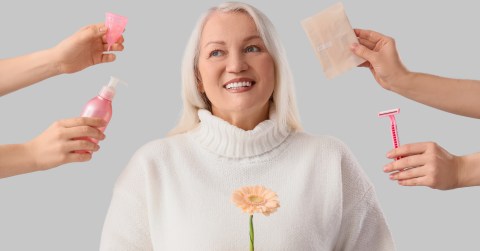
Women in menopause face an onslaught of products designed to relieve symptoms such as hot flashes and mood swings. In addition, they are bombarded on social media with lotions, serums and light masks that promise to rejuvenate the face and neck; by dietary supplements that claim to improve mood and relieve hot flashes, even devices that promise to ease symptoms.
“Marketing has become very, very aggressive. It’s ubiquitous,” said Dr. Nanette Santoro, professor of obstetrics and gynecology at the University of Colorado Anschutz, picks up. Associated Press (AP).
Experts warn that many of these claims made by influencers and pseudo-specialists are not supported by scientific evidence.
Importance of medical consultation
Openness in discussions about menopause has led women to seek more information and medical support.
Doctors emphasize the need to consult before investing in products that promise benefits. Hormonal therapies and lifestyle changes are considered more effective and scientifically supported approaches.
Skin changes during menopause
As women age and face menopause, their skin undergoes significant changes. Dermatologists offer care recommendations that can help mitigate these effects.
In this sense, Melissa Mauskar, a dermatologist and associate professor at UT Southwestern Medical Center in Dallas, tells AP Using a prescription retinoid or over-the-counter retinol can be helpful, as both contribute to collagen production and reduce the appearance of wrinkles.
“But it is not advisable to consume products with too many additives; the fact that they are natural and of botanical origin does not mean that they are better,” he explains. “Many of them are contact allergens that can increase people’s sensitivity.”
Ingestible collagen is one of the products marketed to women, Mauskar points out, but warns that the studies are contradictory and that ingesting it “does not mean that it will reach the skin and plump the face,” even though the products claim otherwise.
“I think there are a lot of new and sophisticated things coming to market aimed at patients in perimenopause and menopause, but sometimes the tried and true things, for which we at least have scientific support, are still my preferred option for my patients,” he concludes.
Emotional management of menopause
Women can manage the emotional effects of menopause through evidence-based approaches, such as psychological therapies and healthy lifestyle habits, avoiding unproven remedies. These strategies help recurrent mood swings, anxiety, and irritability without relying on pseudoscientific products.
Relaxation techniques. Practicing mindfulness, meditation or yoga reduces anxiety and improves emotional regulation by reducing the activation of the nervous system. Diaphragmatic breathing and progressive muscle relaxation also promote serenity and resilience.
Social support. Sharing experiences with friends, family or support groups normalizes menopause and reduces loneliness, acting as a protective component against depression and anxiety. Talking openly about emotions strengthens support networks.
Physical activity. Regular exercise, such as walking or yoga, stabilizes mood and relieves irritability by releasing endorphins. Combined with a balanced diet rich in omega-3 and tryptophan, it promotes mental well-being.
Professional therapy. Cognitive-behavioral therapy (CBT) is effective in modifying negative thoughts, reducing insomnia and irritability. Prioritizing sleep with regular routines complements these benefits.
Daily habits. Encouraging self-care, such as journaling or setting boundaries, trains mental health and improves self-esteem during this stage.
You may also be interested in:
· From salmon sperm to bird droppings: strange skin care routines that go viral on social media
· Mindset of aging is changing: almost half of older people improve with age
·


