

By Arlenys Tabare
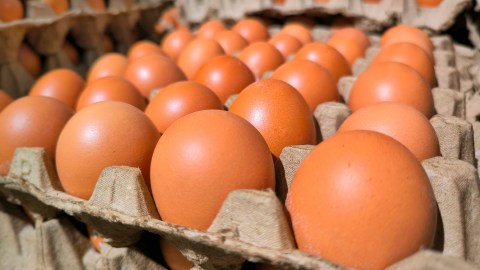
After several months of increase influenced mainly by the bird flu outbreak that affected hundreds of farms in the country, eggs are finally decreasing in price, and although this is a relief for consumers, it is not entirely for producers.
Just last year, in certain states of the country, a dozen could cost up to $8, which represented a hard blow to family budgets and even fast food stores and restaurants, who had to increase the prices of some dishes on their menu.
Given the critical situation, the US Secretary of Agriculture had reported last year that part of the solution to the problem of shortage was the temporary importation of the item, until the outbreak was controlled and the sector resumed its production normally.
However, according to According to figures from the Bureau of Labor Statistics, for March of this year there was a 44.7% drop in egg prices, in the middle of a production recovery season that has generated concern among producers, as they claim that there is now a growing excess supply, forcing them to greatly reduce prices per dozen.
Farmers are not as happy as expected with falling prices, not while production costs remain high. From 2022, Input prices have skyrocketed and now, with higher fuel prices, producers fear losses.
In this regard, Thomas Flocco, CEO of egg producer Pete & Gerry’s, commented that “all of these cost pressures are being reflected in the cost structure. About half the cost of a dozen premium eggs is for bird feed. Diesel has an immediate impact. We have to move to get those eggs”he commented to CNBC.
For her part, Emily Metz, executive director of the American Egg Board, said that, although the supply improved for consumers, high production costs did not disappear, generating a great burden on farmers.
Keep reading:
- Bird flu in the US, egg seizures exceed fentanyl figures
- Rising egg prices cause concern among consumers
- Rising beef prices affect the pockets of families in the US.
- Meat, eggs and coffee: why food prices are rising


