

By Franklin Delgado
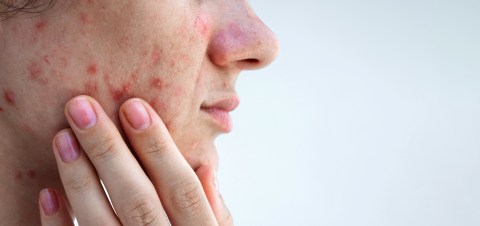
Mature acne presents with different characteristics than adolescent acne, evident in the facial area and with lesions that are more difficult to treat. The lesions include inflammatory papules and nodules, mainly in women between 25 and 50 years of age.
Various factors contribute to the development of mature acne. These include hormonal changes, genetic predisposition, diet and lifestyle. The impact of factors such as stress and the use of inappropriate products can aggravate the situation.
This type of acne, in addition to being unaesthetic, is sometimes painful and leaves marks that are difficult to remove, he explained to EFE Health the doctor Ricardo Moreno Borque, dermatologist at the San Carlos Clinical Health Center in Madrid.
Differences with adolescent acne
Mature acne has some differences from conventional acne. For example, it does not manifest the typical papulopustules or comedones of adolescent age.
Typically, adult acne lesions have a different distribution. Pimples appear in an area with greater hormonal influence, that is, in the area of the facial third rank (mandibular area, also known as the U area), says Moreno Borque.
“The recalcitrant lesions They are more difficult to treat than those of adolescents,” he explains.
Treatment and recommendations
It is advisable to consult a dermatological specialist if symptoms appear.
There are effective treatments and lifestyle measures that can contribute to the resolution of mature acne.
Mature acne (adult acne) is treated with a combination of topical care, oral treatments and dermatological procedures depending on the severity and cause (hormonal, inflammatory, comedonic); The idea must be individualized and supervised by a dermatologist.
Topical treatments (first line for mild-moderate forms):
- Topical retinoids (tretinoin, adapalene, Tazarotene) to normalize keratinization and unclog pores; They improve comedones and prevent new lesions.
- Benzoyl peroxide to reduce bacteria and inflammation; It can be combined with a retinoid or topical antibiotic.
- Topical antibiotics (clindamycin, erythromycin) in short combinations to reduce bacterial flora; Avoid prolonged monotherapy due to resistance.
Oral treatments (for moderate-severe acne or when there is an inflammatory/hormonal component):
- Oral antibiotics (doxycycline, minocycline, tetracyclines) used for weeks-months to control bacterial inflammation; always with a plan for withdrawal and alternative measures for resistance.
- Combined oral contraceptives and antiandrogens (spironolactone) in women with hormonal acne to reduce sebum production and improve lesions; require medical evaluation and preserve a watch on.
- Oral isotretinoin for severe nodulocystic acne or acne resistant to other treatments; It is very effective, but requires monitoring for adverse effects and controls (laboratory and contraception if applicable).
Complementary procedures and treatments:
- Superficial chemical peels and microdermabrasion can improve surface textures and marks; Radiofrequency with microneedling or fractionated lasers are used for deep scars.
- Depigmentation treatments (niacinamide, azelaic acid, hydroquinone or retinoids) and sun protection for post-inflammatory hyperpigmentation.
Daily care and non-pharmacological measures:
- Gentle hygiene with non-aggressive cleansers and cosmetics noncomedogenic; Avoid products that irritate or dry excessively.
- Daily hydration and sun protection routine to prevent worsening of spots and scars.
- Diet low in refined sugars and dairy can help in some cases, although the evidence varies; control stress and review medications that may aggravate acne.
Suggested practical strategy:
- Mild forms: start with topical retinoid alternating with benzoyl peroxide or azelaic acid; evaluate at 6–8 weeks.
- Moderate forms: add time-limited oral antibiotic and then switch to maintenance therapy with retinoid/peroxide or hormone therapy if female.
- Severe or scarred forms: consider referral to dermatology to evaluate isotretinoin and/or healing procedures.
Side effects and precautions:
- Retinoids and peroxide cause irritation and photosensitivity; use sunscreen and adjust application.
- Oral antibiotics have a risk of resistance and gastrointestinal effects; Isotretinoin requires preservation of lipid and liver function and contraception in women of childbearing age.
You may also be interested in:
· Sleep quality not only depends on whether you sleep more than eight hours
· Cannabis use increases among older adults, we tell you why
· Preeclampsia, a pregnancy complication that affects tens of thousands of mothers and half a million babies a year


